Summer Bulletin 2026

Welcome to our Summer Bulletin
Andy Burnham has become Britain's seventh Prime Minister since 2016, bringing with him a new Chancellor, John Healey, and renewed focus on what the change in leadership could mean for UK tax planning. While there has already been speculation around potential changes to wealth taxes, stamp duty and tax allowances, the first confirmed announcement is that VAT will be removed from household energy bills from 1 October, an early indication that tackling the cost of living will be high on the government's agenda.
For now, there are still more questions than answers, but tax policy is likely to remain firmly in the spotlight. As developments unfold, we will keep you up to date with the latest announcements, explain what they mean in practice, and help you plan with confidence.
This month's ABMV tax bulletin will cover:
HMRC to contact representatives over NI refunds for deceased taxpayers
Tax-Free Staff Lunches – No Canteen Required
Cash in Stocks & Shares ISAs to Face New Tax Charge
FSCS Increases Savings Protection to £120,000
HMRC Launches New Tax Advisor Checker
Mileage Allowance Increases for the First Time in 15 Years
Temporary VAT Cuts for Summer Holidays
Don’t Forget! Making Tax Digital for Income Tax – April 2027
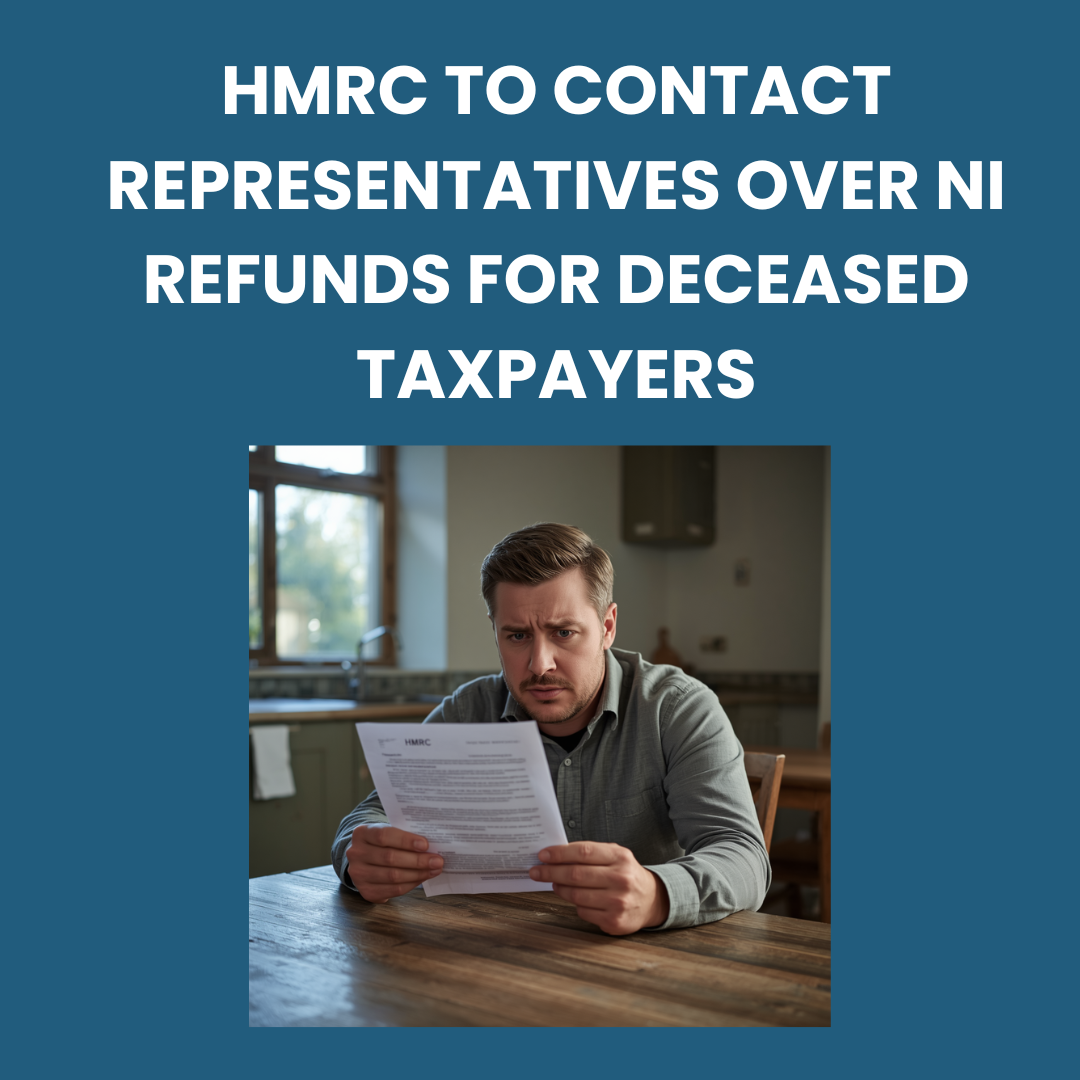
HMRC to contact representatives over NI refunds for deceased taxpayers
HMRC may now contact representatives of deceased individuals if it believes too much National Insurance (NI) was paid. If this happens, you may receive a letter inviting you to claim a refund.
This means HMRC is using its own data to spot overpayments, rather than relying on representatives to identify them.
If you receive a letter, don’t ignore it; it could be genuine. Check that it’s from HMRC, then follow the instructions to claim any refund due. Acting promptly helps ensure the money is returned to the estate.
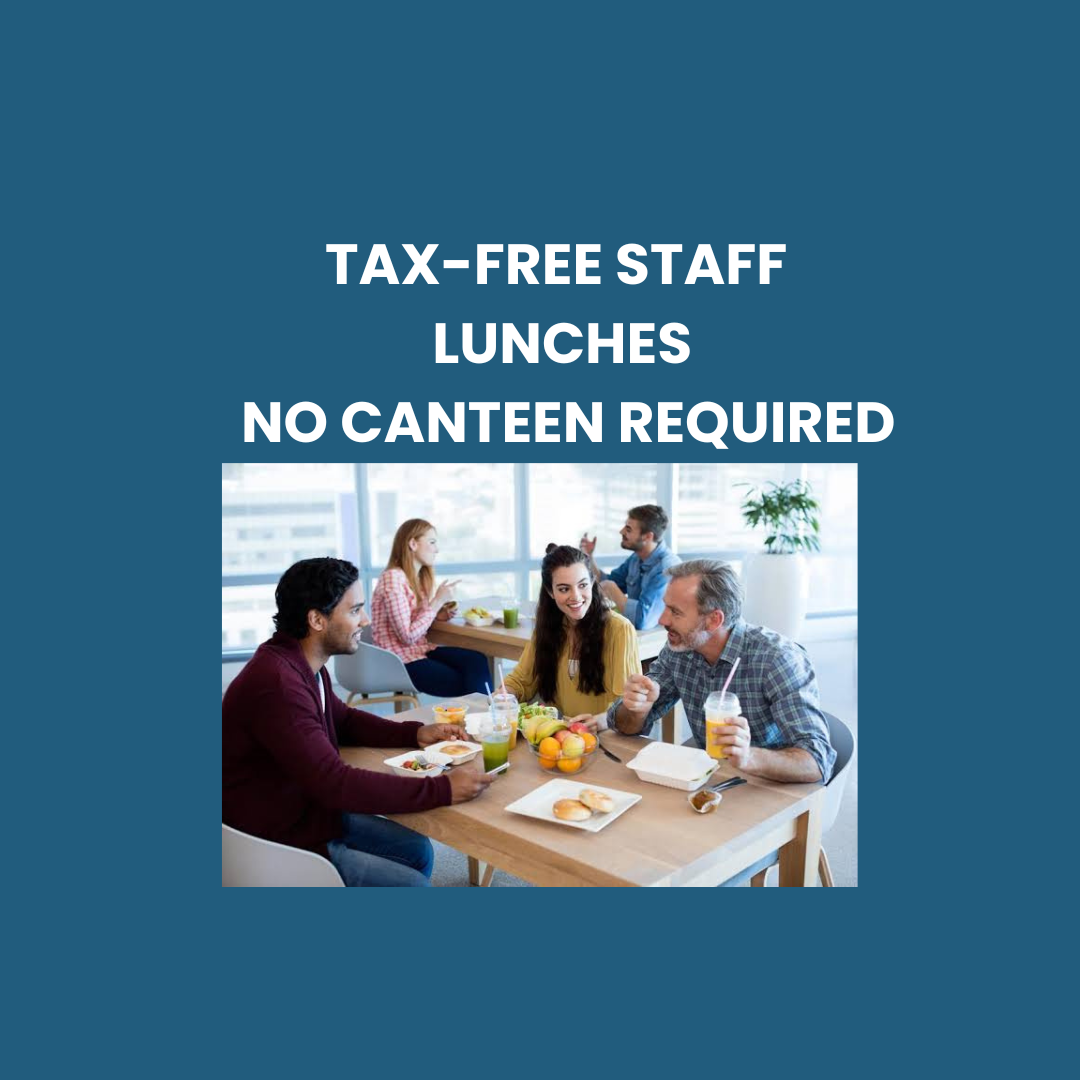
Tax-Free Staff Lunches – No Canteen Required
Many employers assume that free staff lunches are only tax-free if they're served in a workplace canteen. Fortunately, that's not the case.
HMRC allows employers to provide tax-free meals to employees as long as they're eaten on the business premises. That could be in the office kitchen, meeting room or staff area – there's no requirement to have a dedicated canteen.
To qualify, the following conditions must be met:
Available to everyone – the meals must be offered to all employees at that location, including directors.
Reasonable in value – the food should be modest rather than lavish.
Not part of a salary sacrifice scheme – employees must not give up salary in exchange for the meals.
The bottom line:
If you provide a simple lunch that's available to all staff and eaten at your business premises, it can usually be provided free of Income Tax and National Insurance and won't create a taxable Benefit in Kind.

Cash in Stocks & Shares ISAs to Face New Tax Charge
Savers who hold cash inside stocks and shares ISAs will be charged 22% on any interest earned on that cash from 6 April 2027
The charge is designed to stop people using investment ISAs as a workaround to hold cash when the cash ISA limit is cut from £20,000 to £12,000 a year for under-65s from the same date.
FSCS Increases Savings Protection to £120,000
The Financial Services Compensation Scheme (FSCS) has increased the amount of savings protected if a bank, building society or credit union fails. From 1 December 2025, eligible deposits are now protected up to £120,000 per person, per authorised institution.
The new limits mean:
Individual accounts – up to £120,000 is protected.
Joint accounts – protection increases to £240,000 (£120,000 per account holder).
Banking groups – the limit applies across all brands that share the same banking licence, so it's worth checking if you hold accounts with more than one brand in the same group.
Temporary high balances – up to £1.4 million remains protected for up to six months following certain life events, such as selling a property, receiving an inheritance or an insurance payout.
What does this mean for you?
If you hold significant cash savings, now is a good time to review where your money is held to ensure you benefit from the maximum level of FSCS protection.
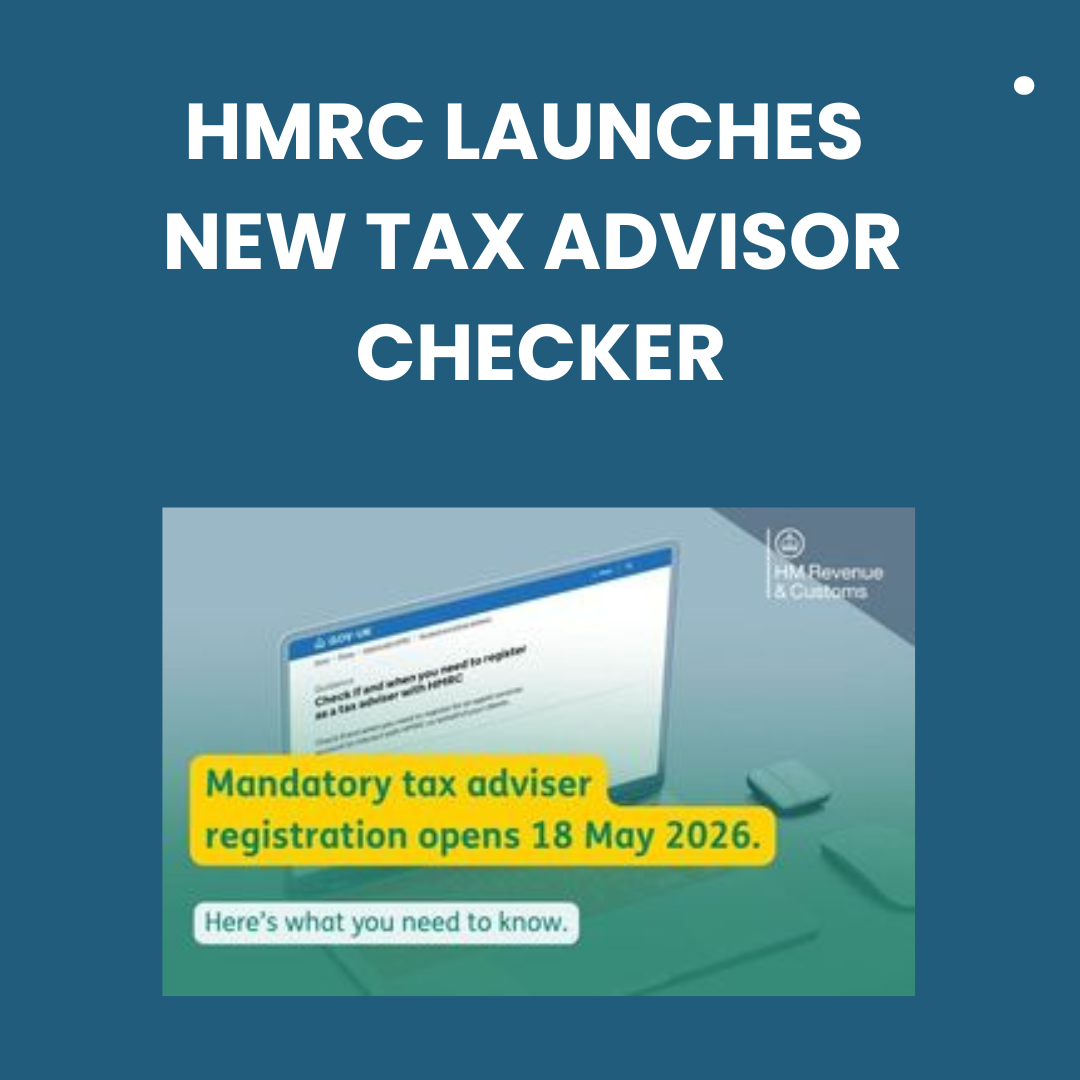
HMRC Launches New Tax Advisor Checker
HMRC has introduced a new online tool that allows taxpayers to check whether their tax advisor is registered and authorised to act on their behalf.
The checker is part of HMRC's phased rollout of mandatory tax advisor registration, which runs from 18 May 2026 to 31 March 2027.
The aim is to improve transparency, raise professional standards and help protect taxpayers from unauthorised advisors and tax avoidance schemes.
The new service gives individuals and businesses added reassurance when choosing or verifying a tax advisor. It also serves as a reminder for tax advisors to ensure their HMRC registrations and client authorisations are fully up to date.
If you'd like to find out more about the new checker or discuss any aspect of your tax affairs, please get in touch with our team.
Mileage Allowance Increases for the First Time in 15 Years
For the first time since 2011, HMRC has increased the approved mileage allowance for employees using their own cars for business journeys.
From 6 April 2026, the tax and National Insurance-free mileage rate for the first 10,000 business miles has increased from 45p to 55p per mile. The change applies retrospectively from that date and also applies to self-employed individuals using the simplified expenses method.
The rates for motorcycles, bicycles, passenger payments and business mileage over 10,000 miles remain unchanged.
What does this mean for your business?
If you reimburse employees for business mileage, you can now pay up to 55p per mile for the first 10,000 miles without creating a tax or National Insurance liability. If you currently pay 45p per mile, you may wish to review your mileage policy in light of the new rates.
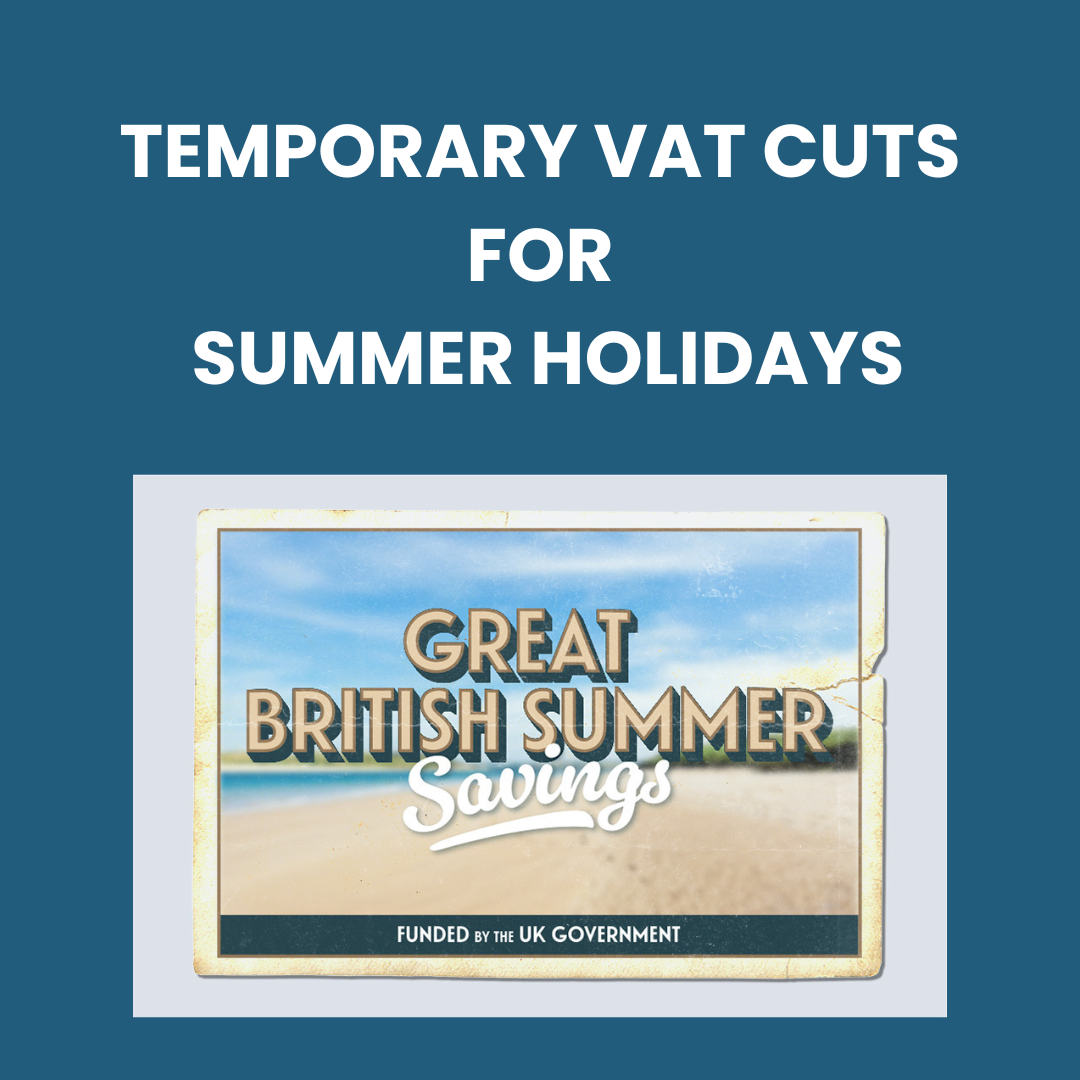
Temporary VAT Cuts for Summer Holidays
To help families with the cost of days out this summer, the government has introduced a temporary reduction in VAT as part of its Great British Summer Savings Scheme.
From 25 June to 1 September 2026, the rate of VAT will be reduced from 20% to 5% on:
Children's meals eaten in restaurants.
Children's tickets for cinemas and theatres.
Admission tickets for adults and children to eligible family attractions, including soft play centres, adventure parks and theme parks.
The government expects businesses to pass the VAT saving on to customers. However, many affected businesses will also need to update their pricing, till systems and marketing materials at short notice.
What does this mean?
If your business operates in the hospitality, leisure or attractions sector, it's important to ensure your VAT treatment, pricing and systems are updated correctly during the temporary relief period.
If you have any questions or would like to learn more about how we can help you with your accounting and business advisory needs, please don’t hesitate to contact us. Our team of experts is always ready to assist you with any queries you may have.