
How Businesses in Kent Can Prepare for the Autumn Budget
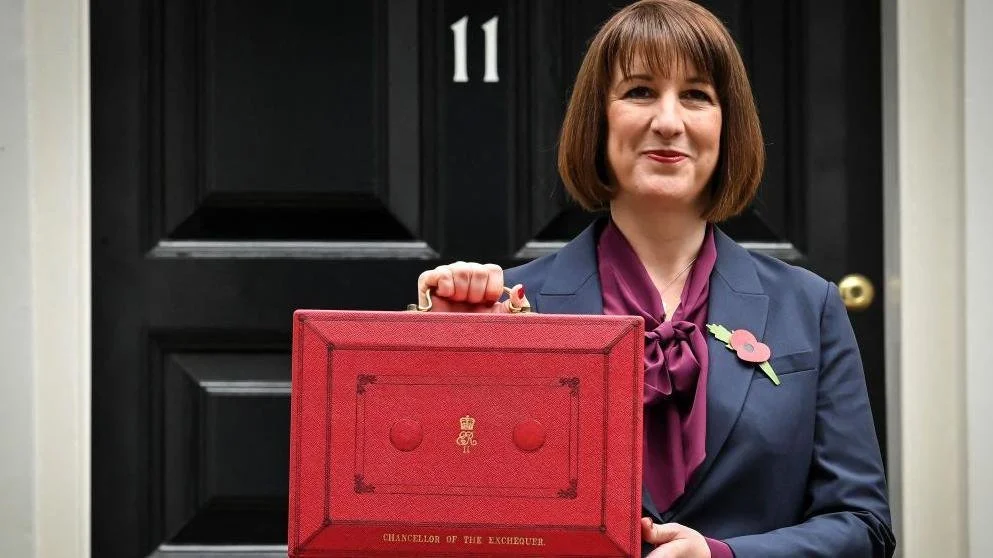
How Businesses Can Prepare for the Autumn Budget
The weeks before the Autumn Budget are a sensible time to get organised. Rather than reacting to rumours, we recommend reviewing where you stand now, identifying decisions that may be affected and making sure key financial information is ready.
Budget measures can affect limited companies, sole traders, employers, landlords and individuals in different ways. As chartered accountants, we provide guidance based on your own
Assess Your Tax Position Before the Announcement
A clear tax baseline makes it easier to judge the impact of any confirmed changes. We can help you review expected profits, taxable income and major transactions planned before the end of the tax year. This may include potential changes affecting corporation tax, dividends, capital gains tax, inheritance tax or business reliefs.
It is also worth looking at owner remuneration, pension contributions, dividend plans and family wealth arrangements as a whole. A short-term tax saving is not always the right choice if it conflicts with your wider commercial or personal aims.
Before the Budget, we suggest confirming:
Expected tax liabilities and payment deadlines
Planned asset sales, investments or restructures
Available cash reserves for upcoming tax payments
This preparation helps you avoid rushed decisions when implementation dates are confirmed.
Test Cash Flow Against Potential Changes
No one can predict the Budget with certainty, but we can help you test realistic scenarios. The aim is not to guess the announcement. It is to understand how different outcomes could affect your working capital and plans.
A useful forecast can account for possible shifts in tax rates, allowances, employer costs and payment dates. It should also include day-to-day commitments such as VAT, payroll liabilities, loan repayments and planned capital expenditure.
Where timing is flexible, consider whether major decisions can wait until the full details are known. This may apply to recruitment, expansion, equipment purchases or new finance arrangements. A clear forecast gives you more room to make calm, informed choices.
Review Payroll and Reward Arrangements
Employment costs often deserve close attention around Budget time. Changes to National Insurance, wage requirements, tax thresholds or employment-related reliefs could affect staffing budgets and future pay reviews.
We recommend reviewing the full reward package, not salary alone. Pension contributions, benefits and salary sacrifice arrangements can all have different effects for employers and employees. Any adjustment should remain in line with current rules while providing genuine value.
For company directors, payroll and dividend decisions should also fit with both business cash flow and personal tax planning. Once announcements are confirmed, we can assess any transitional arrangements or delayed start dates that may shape the best timing.
Use Budget Measures to Support Growth
Budget announcements can bring opportunities alongside added costs. We encourage you to watch for changes to capital allowances, investment incentives, research and development support, business rates and measures relevant to your sector.
Potential areas to reassess include:
Machinery, vehicles or technology investments
Improvements to business premises
Plans to restructure or change ownership
Funding needed for future growth
Tax treatment may influence timing, but it should not be the only reason for a decision. Profitability, customer demand and long-term resilience should remain at the centre of your plans.
Set Your Post-Budget Priorities
Once the official documents and effective dates are published, we can help you sort actions by urgency, financial impact and the time available before rules change. For many businesses, the first priorities will be tax exposure, payroll costs, cash flow and any transactions already in progress.
The strongest post-Budget plan is usually a focused one. Start with the changes that affect your immediate obligations, then review longer-term opportunities against your wider business and personal objectives.
Turn Budget Changes Into Clear Action
Our team at ABMV can help you assess what the Autumn Budget means for your business and identify practical next steps. Find out how ABMV can support your tax planning, financial decisions and future growth. If you would like tailored advice, contact us to arrange a conversation with our team.